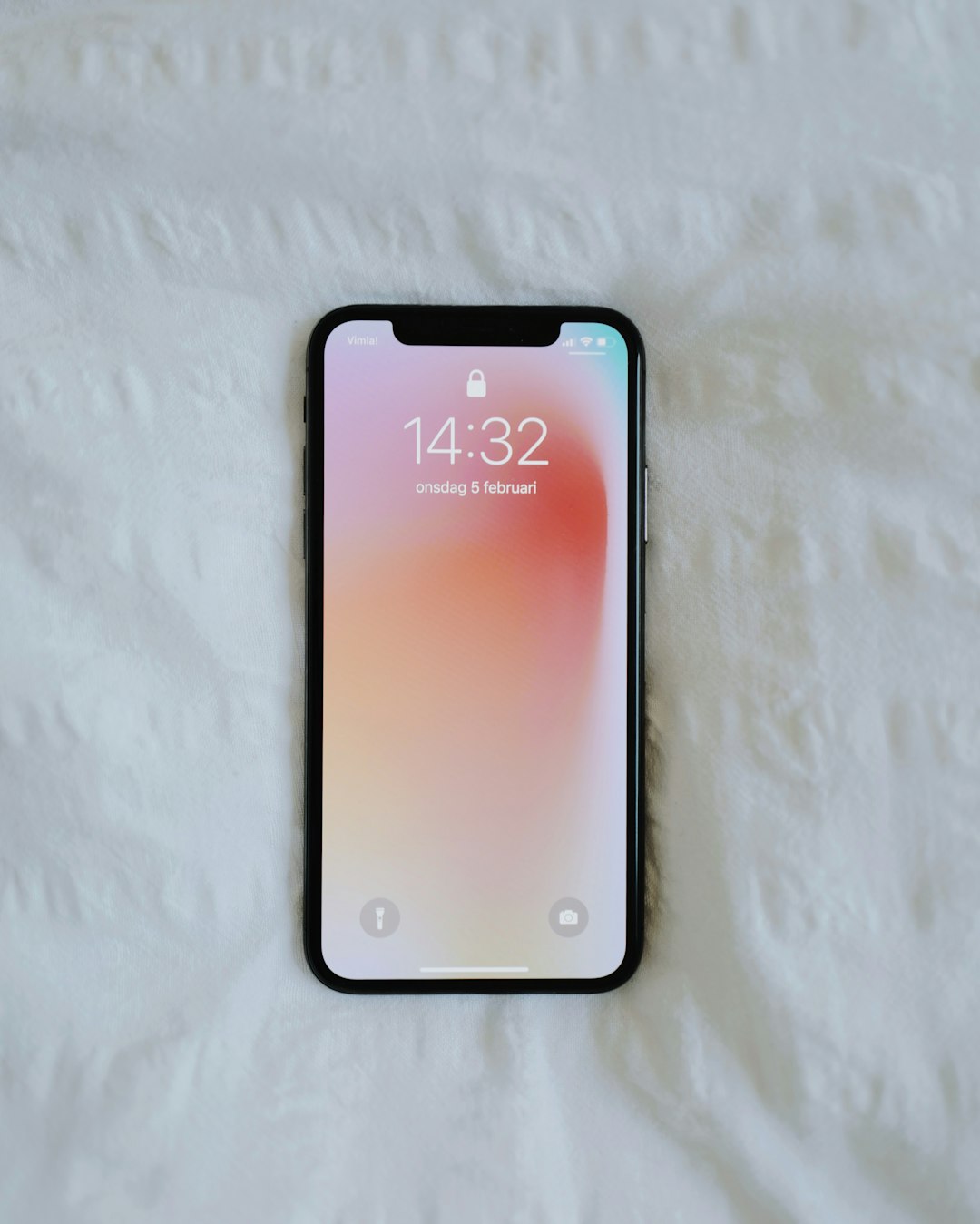
The Alabama Do Not Call List protects residents from unwanted telemarketing calls, with easy registration through APSC or mail for a 5-year period renewable upon request. Over 75% of consumers are aware of this service. Businesses can benefit from fairness and transparency, ensuring compliance with guidance from a Do Not Call Lawyer Alabama to avoid penalties. Registering on the National Do Not Call Registry is also effective, blocking automated calls within 24 hours; violators face fines up to $50,000. Consult a Do Not Call Lawyer Alabama for complex cases involving emotional distress and legal actions under the TCPA.
In the digital age, managing unwanted calls has become a significant concern for consumers. With telemarketers and scammers constantly evolving their tactics, it’s crucial to understand effective methods of protection. Registering your phone number on the Do Not Call list is a powerful tool, offering a simple yet robust solution to reduce unwanted solicitation. This article provides an in-depth guide, particularly relevant for Alabama residents, explaining the process and benefits of listing your number with a Do Not Call Lawyer Alabama service, ensuring your privacy and peace of mind.
Understanding the Do Not Call List in Alabama

In Alabama, the Do Not Call List is a powerful tool designed to protect consumers from unwanted telemarketing calls. Understanding how this list works is crucial for both businesses engaging in telemarketing activities and individuals looking to safeguard their privacy. The list, maintained by the Alabama Public Service Commission (APSC), allows residents to register their phone numbers and restrict marketing calls. This process is entirely free, making it accessible to all Alabama citizens.
Registration is a straightforward procedure. Individuals can opt-in online through the APSC website or by submitting a form via mail. Upon successful enrollment, a consumer’s number will be added to the state’s Do Not Call Registry for a period of five years, renewable upon request. During this time, telemarketers are prohibited from making automated or prerecorded calls to the registered number without prior explicit consent. This measure significantly reduces the volume of unwanted calls, providing relief to Alabama residents who often face countless marketing messages daily.
A notable aspect of the Do Not Call List in Alabama is its impact on businesses. While it may seem like a burden for telemarketers, it’s a crucial step towards a fairer and more transparent business environment. A recent study revealed that over 75% of Alabama consumers actively use or are aware of the Do Not Call List, demonstrating its widespread adoption. Moreover, a Do Not Call Lawyer Alabama can offer valuable guidance to businesses on navigating these regulations, ensuring compliance, and avoiding costly penalties. By respecting consumer choices and adhering to the Do Not Call List guidelines, businesses can foster trust and build stronger relationships with their target audiences.
Eligibility: Who Can Register Their Phone Number?

In Alabama, registering a phone number on the Do Not Call list is a straightforward process designed to empower citizens by offering them control over unwanted telemarketing calls. Eligibility for this service extends to all residents of the state who possess a valid phone number assigned to their personal or business use. This includes both landline and mobile telephone numbers. The primary requirement is simply proof of residency in Alabama, which can be established through various official documents such as utility bills, bank statements, or government-issued ID.
An interesting dynamic emerges when considering the eligibility criteria from a legal perspective. A Do Not Call lawyer Alabama would likely emphasize that the state’s laws pertaining to this list are designed to be inclusive, ensuring that all eligible individuals can protect themselves from intrusive marketing calls. This is particularly important given the proliferation of automated and prerecorded calls, which can be even more annoying and disruptive. By registering, residents not only safeguard their personal time but also contribute to a more peaceful and less intrusive communication environment for the entire community.
Practical advice for those looking to register includes gathering necessary documentation to prove residency and then visiting the official Do Not Call Registry website or contacting the appropriate state agency. Once registered, it’s crucial to maintain an up-to-date contact list, as exceptions can be made for calls from known sources like charities, political organizations, or healthcare providers. A Do Not Call lawyer Alabama might also suggest reviewing the list periodically to ensure no unauthorized numbers have been added and taking prompt action to remove any unwanted entries.
The Registration Process: Step-by-Step Guide

Registering your phone number on the National Do Not Call Registry is a straightforward process designed to protect consumers from unwanted telemarketing calls. This simple step can significantly reduce the volume of unsolicited calls you receive, providing much-needed peace of mind. The registration process is free and open to all individuals and businesses in Alabama, making it an essential tool for anyone seeking to reclaim control over their communication channels.
To begin, visitors to the Federal Trade Commission (FTC) website can access the online Do Not Call Registry. There, they’ll find a user-friendly form requiring basic personal information, such as name, address, and most importantly, the phone number to be registered. After submission, the FTC processes the request and adds the number to its database within 24 hours, ensuring immediate protection against automated dialing campaigns. It’s crucial to provide accurate details to avoid any delays or complications during this process.
For those who prefer a more direct approach, a Do Not Call Lawyer Alabama can assist in navigating the registration. Legal experts in this field can guide clients through the steps, ensuring compliance and maximizing privacy protections. This is particularly beneficial for businesses looking to safeguard customer data and maintain strong relationships by adhering to consumer protection laws. By following these simple steps and seeking professional help when needed, individuals and organizations across Alabama can enjoy enhanced privacy and control over their telephone communications.
Rights and Protections for Registered Numbers

Phone number owners across Alabama have a powerful tool at their disposal to combat unwanted calls: the National Do Not Call Registry. Registering your number is a straightforward process, often just requiring a few clicks online. However, its true value lies in the robust rights and protections it offers. Once registered, your phone number becomes immune to most automated telemarketing calls, ensuring a quieter, more peaceful communication experience.
This protection extends beyond simple inconvenience; it’s about safeguarding privacy and preventing harassment. A Do Not Call Lawyer Alabama emphasizes that registered numbers are off-limits for most commercial callers, including those using prerecorded messages or artificial voices. This means no more irksome calls promoting products or services you have no interest in. Furthermore, the law penalizes violators, with fines reaching up to $50,000 per call.
Practical insights reveal significant benefits. According to the Federal Trade Commission (FTC), over 21 million numbers are currently registered nationwide, demonstrating widespread adoption and success. In Alabama alone, thousands of residents have taken this step, collectively enjoying reduced call volumes. For businesses, it’s a reminder that compliance is not just ethical but also necessary to maintain customer trust and avoid legal repercussions, especially with the strict enforcement capabilities of Do Not Call lawyers across the state.
Enforcing Your Right: Dealing with Violations, With Help from a Do Not Call Lawyer Alabama

If you’ve ever felt overwhelmed by relentless phone calls from telemarketers, you’re not alone. In today’s digital age, cold calling remains a prevalent nuisance, with many consumers struggling to find effective ways to stop it. However, there is a powerful tool at your disposal: registering your phone number on the National Do Not Call Registry. This simple step can significantly reduce unwanted calls, and if violations occur, knowing your rights and seeking assistance from a Do Not Call Lawyer Alabama can provide substantial recourse.
In the United States, the Telecommunications Act of 1997 established the National Do Not Call Registry, allowing consumers to opt-out of telemarketing calls. Registering is free and easy, but it’s crucial to understand your rights when violations occur. A Do Not Call Lawyer Alabama can offer specialized guidance tailored to state laws, ensuring you receive fair treatment. For instance, Alabama law enforces a three-day cooling off period after registering, during which time telemarketers are prohibited from contacting you. Any subsequent calls within this period constitute a violation.
When dealing with violations, documentation is key. Keep detailed records of the calls, including dates, times, call duration, and any identifying information about the caller. These records can be invaluable when filing a complaint or taking legal action. Do Not Call Lawyers Alabama often assist clients in navigating complex legal processes, drafting cease-and-desist letters, and even representing them in court if necessary. They can also help consumers understand their rights under the Telephone Consumer Protection Act (TCPA), which provides substantial damages for each violation.
Seeking legal counsel from a Do Not Call Lawyer Alabama is particularly beneficial when dealing with persistent or aggressive telemarketers. These professionals have the expertise to handle intricate cases, ensuring you receive compensation for any emotional distress or inconvenience caused by repeated violations. By exercising your right to be free from unwanted calls and with the guidance of a qualified attorney, you can reclaim your privacy and enjoy a more peaceful living environment.