
Alabama's Do Not Call laws protect consumers from unwanted telemarketing by maintaining a state registry and enforcing strict penalties. Residents can register their numbers online or via local utilities, opt-out of marketing calls, and document unauthorized calls for potential legal action. Do Not Call law firms in Alabama must ensure compliance through robust consent verification, training, and record-keeping to avoid fines and damages. Proactive measures like blocking calls and direct notification further protect privacy. Understanding and utilizing these laws empowers citizens to control their communication preferences.
In today’s digital age, unwanted phone calls have become a persistent nuisance, with many consumers facing an overwhelming influx of repeated unsolicited sales pitches. This is where the Do Not Call laws step in as a vital protection for individuals seeking peace and privacy. Specifically, we delve into Alabama’s regulations to elucidate how they safeguard citizens from relentless call centers and aggressive marketing tactics. As professionals dedicated to consumer rights, this article offers valuable insights into navigating these laws, empowering folks to assert their right to quietude and curtailing the excessive calling practices of Do Not Call law firms in Alabama.
Understanding Do Not Call Laws: A Consumer's Guide

Do Not Call laws, designed to protect consumers from relentless unsolicited sales calls, are a crucial aspect of consumer protection in many states, including Alabama. These laws allow individuals to opt-out of receiving telemarketing calls, ensuring their peace of mind and privacy. In Alabama, the Do Not Call law is enforced by the Attorney General’s Office, which maintains a state-wide registry of registered numbers. This proactive measure significantly reduces the number of unwanted calls, providing relief to countless Alabama residents.
Consumers in Alabama have a powerful tool at their disposal: the right to register their phone numbers on the state’s Do Not Call list. By doing so, they signal to telemarketers and call centers that they do not consent to receive marketing calls. This simple step can lead to a substantial decrease in harassing phone attempts. It’s worth noting that Alabama law firms specializing in consumer rights often advise clients to document all unauthorized calls, as this evidence can be invaluable if legal action becomes necessary.
Practical advice for consumers includes regularly reviewing and updating their Do Not Call preferences. Many states, including Alabama, offer online tools to make this process seamless. Additionally, being mindful of sharing personal numbers in public forums or with unknown entities is essential. By adhering to these guidelines, residents can better protect themselves from the nuisance of repeated, unsolicited calls.
Unwanted Calls: Your Rights and Legal Protections

Unwanted calls, particularly those from telemarketers or aggressive sales firms, can be a significant nuisance and invasion of privacy. However, consumers have legal protections in place to safeguard against repeated unsolicited calls. The Do Not Call laws, implemented by state and federal regulations, provide individuals with the right to stop receiving marketing calls at their home or workplace.
In Alabama, the Do Not Call law is enforced by the Attorney General’s office, which maintains a comprehensive list of registered numbers. Consumers can easily sign up for this list, often through a simple online form or by calling a dedicated number. Once registered, it becomes illegal for telemarketers and call centers to make unsolicited sales calls to that number. This law aims to give Alabamians control over their communication preferences, ensuring peace of mind in an era where phone calls have become an ubiquitous part of daily life.
For instance, according to recent data from the Federal Trade Commission (FTC), more than 25 million Americans have registered for the National Do Not Call Registry. This significant number highlights the widespread adoption and effectiveness of these protections. If a consumer feels their rights have been violated, they can file a complaint with the FTC or their state Attorney General’s office, which may lead to investigations and penalties against offending firms, including Alabama-based Do Not call law firms.
To protect yourself, it is crucial to be proactive. Register for the Do Not Call list immediately if you haven’t already. Review your call logs regularly for any suspicious activity or unknown numbers that might indicate a potential violation. Educate yourself about your rights; many states have strict penalties for companies engaging in telemarketing practices that disregard consumer preferences. By staying informed and exercising your rights, you can help ensure that your phone lines remain free from unwanted intrusions.
How Do Not Call Lists Work in Alabama?
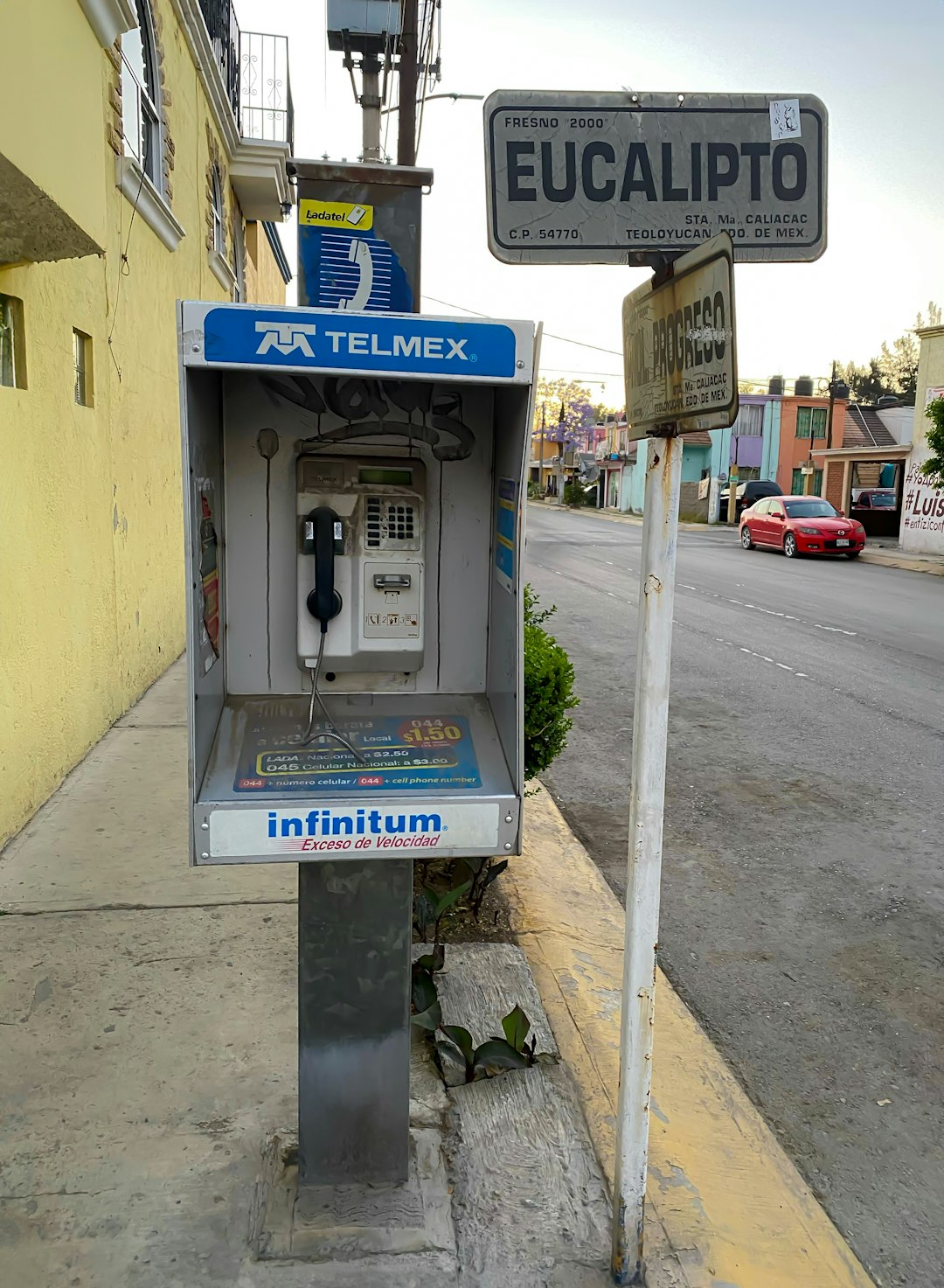
In Alabama, the Do Not Call law plays a crucial role in shielding residents from unwanted telemarketing calls. The state’s implementation of this consumer protection legislation is designed to give individuals control over their phone lines, especially regarding sales or promotional calls. At its core, the Do Not Call list in Alabama functions as a registered database of telephone numbers that have opted out of receiving such solicitations. This means that once a number is added to the list, it becomes illegal for telemarketers and call centers—including law firms in Alabama engaging in similar activities—to make automated or prerecorded calls to those numbers without explicit consent.
The process of registering a number on the Do Not Call list is straightforward. Alabama residents can sign up online through dedicated state portals or by filling out forms provided by their local public utility commissions. Upon registration, the number is immediately added to the state’s comprehensive list, ensuring nationwide recognition and enforcement. This unified approach allows for consistent protection, as telemarketers operating across states must comply with each region’s Do Not Call regulations. For instance, a resident who has opted out in Alabama can rest assured that their number won’t be targeted by out-of-state law firms utilizing automated call systems.
However, it’s essential to recognize the limitations of the Do Not Call law. While it significantly reduces unsolicited calls, it doesn’t entirely eliminate them. Some legitimate calls, such as those from healthcare providers or financial institutions, may still reach registered numbers. To combat this, Alabama residents can exercise additional controls through their phone settings, blocking specific numbers or types of calls. By combining these measures with the state’s Do Not Call list, individuals can create a robust defense against unwanted and intrusive telemarketing activities, ensuring a quieter and more peaceful communication environment.
Enforcing the Law: What Happens When Firms Violate

When Do Not Call laws are violated by law firms in Alabama, it triggers a series of actions aimed at ensuring compliance and protecting consumers from relentless unwanted calls. These laws, designed to safeguard individual privacy, permit citizens to opt-out of receiving telemarketing or sales calls. The violation of these rights can result in significant legal repercussions for the offending firm.
In Alabama, the Do Not Call Law is enforced by the Attorney General’s Office, which investigates complaints and takes appropriate measures against violators. Consumers who believe their rights have been infringed can file a complaint, leading to an investigation that may culminate in formal action against the law firm. Fines for repeated violations can amount to substantial sums, acting as a powerful deterrent for firms engaging in such practices. Moreover, individuals affected by these illegal calls are entitled to seek damages, adding another layer of consequence for non-compliance.
An example of successful enforcement occurred when a group of consumers united to file a class action lawsuit against a prominent law firm in Alabama for repeated Do Not Call violations. The court ruled in favor of the plaintiffs, not only fining the firm but also awarding damages to each individual who had suffered from the unsolicited calls. This case served as a stark reminder that Do Not Call laws are not just suggestions, but legally binding regulations with severe repercussions for transgressors.
To ensure compliance and avoid potential legal pitfalls, Alabama-based law firms must implement robust systems to verify consumer consent before initiating any telemarketing efforts. Regular training for staff on the Do Not Call Law is essential, as well as maintaining comprehensive records of opt-out requests. By adhering to these practices, firms can protect their clients’ rights and maintain their professional integrity in Alabama’s regulatory landscape.
Protecting Yourself: Tips for Stopping Repeated Calls

Unwanted phone calls can be a relentless nuisance, especially when they persist despite your clear indications of disinterest. The Do Not Call laws, implemented across states, including Alabama, are designed to protect individuals from such intrusions. These regulations significantly enhance privacy rights and offer practical ways for citizens to safeguard their peace of mind. If you’re facing repeated unsolicited calls, knowing your rights and employing effective strategies can help regain control.
Under the Do Not Call law in Alabama, businesses are prohibited from making telephonic solicitations to residential telephone numbers unless specifically permitted by the caller or registered for such calls. This means that if you’ve clearly expressed disinterest or placed your number on a do-not-call list, any subsequent calls from telemarketers or debt collectors could be illegal. The Alabama Attorney General’s office plays a crucial role in enforcing these laws and providing guidance to consumers.
To protect yourself, it’s essential to take proactive measures. Start by registering your number with the National Do Not Call Registry, which is mandatory for all telemarketers. In addition, consider informing companies directly that you do not wish to receive calls. Many businesses have mechanisms in place to update their records, ensuring they respect your preferences. Moreover, review call logs and block numbers associated with unwanted calls using your phone’s settings or third-party applications, offering a practical layer of defense against persistent callers.