Understanding Do-Not-Text Laws in Alabama
Do-not-text laws, specific to Alabama, are regulations designed to prevent drivers from texting while operating a vehicle. These laws aim to reduce the risk of accidents caused by distractions such as reading or sending text messages. In Alabama, as in many other states, these laws are part of a broader effort to enhance road safety and protect both drivers and pedestrians from the dangers of distracted driving.
The core components of Alabama's do-not-text laws include prohibitions on reading, writing, or sending a text message while a vehicle is in motion. These laws apply to all drivers, regardless of age or the type of vehicle being operated. Violations can result in fines and points on a driver's license, with harsher penalties for offenses committed in active school zones or by drivers under a certain age.
Historically, Alabama's do-not-text laws evolved from a growing body of evidence indicating that texting while driving significantly impairs a driver's ability to react safely to their surroundings. The state's legislation reflects a national shift towards stricter enforcement of distraction-related offenses, aligning with similar measures across the United States.
Global Impact and Trends
The impact of do-not-text laws extends beyond Alabama's borders, influencing global discussions on road safety and distracted driving. Internationally, there is a trend towards implementing comprehensive regulations that address various forms of driver distraction, not limited to texting.
Data from the World Health Organization (WHO) shows a correlation between the implementation of such laws and a decrease in traffic-related accidents and fatalities. Countries with established do-not-text legislation have observed reductions in incidents involving drivers under the age of 25, who are statistically more likely to be distracted by texting while driving.
Economic Considerations
The economic aspects of do-not-text laws encompass a range of market dynamics and investment patterns. In Alabama, these laws have prompted insurance companies to consider lower premiums for drivers who adhere to these regulations, incentivizing safe driving practices.
From an economic standpoint, the cost of accidents caused by texting while driving is substantial, including medical expenses, legal costs, property damage, and lost productivity. By reducing these incidents, do-not-text laws contribute to a more stable and economically sound transportation system.
Technological Advancements
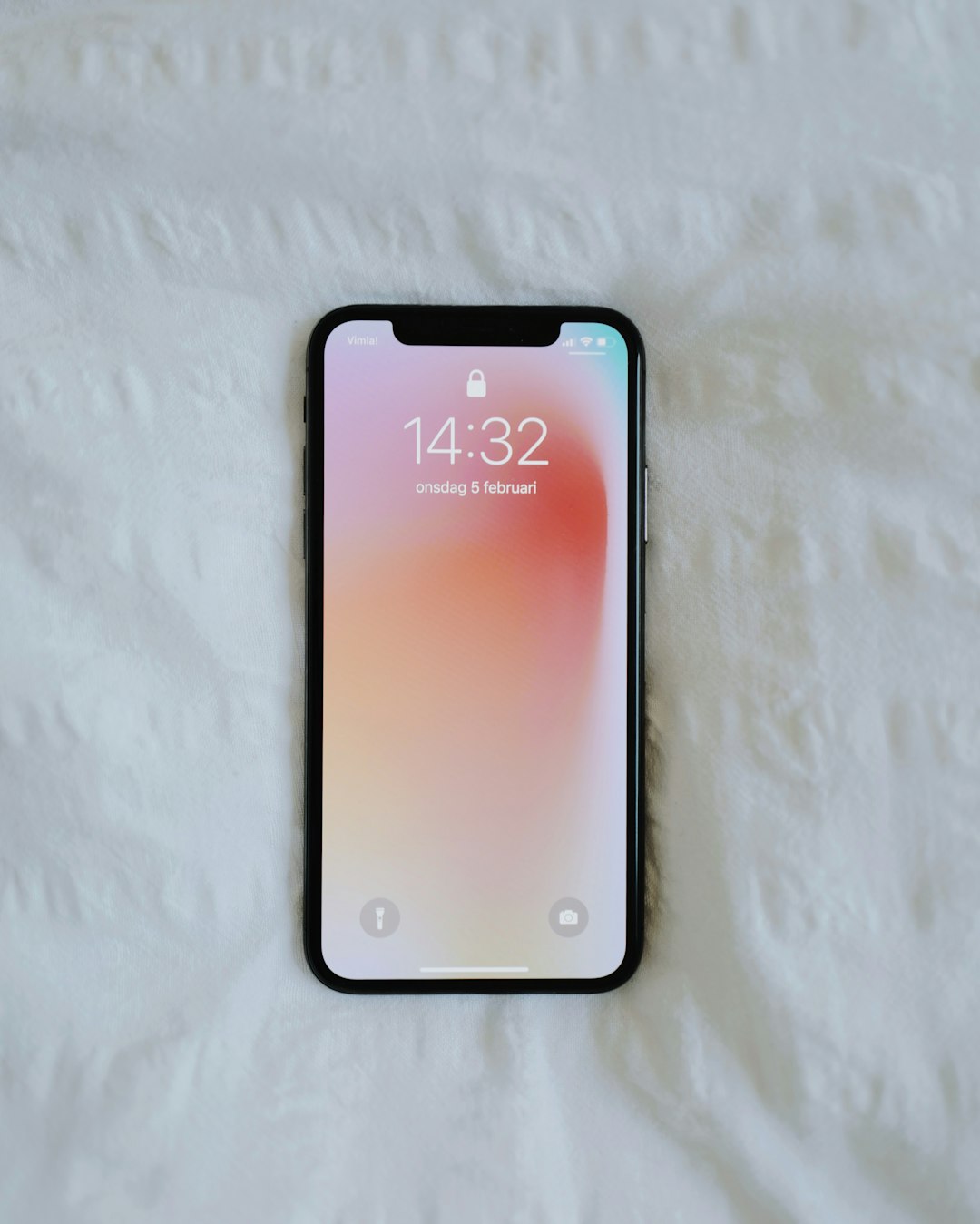
Technological advancements have both facilitated and complicated the enforcement of do-not-text laws. Smartphones are equipped with features that can detect when a vehicle is in motion and automatically silence notifications or lock certain functions, such as texting, to prevent driver distraction.
Future technological developments may include more sophisticated systems for monitoring compliance with do-not-text laws, potentially integrated into vehicle infotainment systems. These advancements could lead to real-time enforcement, reducing the reliance on self-reporting and manual traffic stops.
Policy and Regulation
The legislative framework governing Alabama's do-not-text laws is multifaceted, involving state statutes, local ordinances, and education campaigns aimed at raising awareness about the risks of distracted driving. These policies are enforced by law enforcement agencies, which have developed specialized training to recognize and address texting while driving.
At the federal level, initiatives like the Distracted Driving Initiative support states in implementing these laws and promoting compliance. The National Highway Traffic Safety Administration (NHTSA) plays a key role in advocating for and monitoring the effectiveness of distracted driving laws across the United States.
Challenges and Criticisms
One of the primary challenges facing do-not-text laws is enforcement. Drivers can easily conceal their use of mobile devices, making it difficult for law enforcement to detect violations without explicit evidence. Additionally, there are concerns about privacy and the extent to which technology should be used to monitor individual behavior.
Criticisms of Alabama's do-not-text laws often revolve around their perceived intrusiveness and the argument that they may not significantly reduce accidents, as drivers can still be distracted by other activities. To address these issues, strategies such as increased officer training in detection methods, public awareness campaigns, and the development of non-invasive monitoring technologies are proposed.
Case Studies
Several case studies demonstrate the successful application of Alabama's do-not-text laws. One notable example is a collaborative effort between law enforcement and local communities that resulted in a marked decrease in texting-related accidents within six months of the campaign's launch. Another case study highlights a school-based program that educated young drivers about the risks of distracted driving, leading to a significant reduction in incidents among that demographic.
Future Prospects
Looking ahead, the future for Alabama's do-not-text laws is one of continued evolution and integration with broader transportation safety initiatives. Emerging trends suggest a shift towards comprehensive driver education programs and the adoption of advanced vehicle safety technologies. Strategic considerations for the future include expanded research into the effectiveness of these laws, ongoing enforcement improvements, and potential adjustments to legislation as technology continues to advance.
Conclusion
Alabama's do-not-text laws represent a critical step in addressing the issue of distracted driving. The state's approach has had a positive impact on road safety, both locally and globally, by setting a precedent for other jurisdictions. As technology advances and society becomes increasingly mobile-centric, these laws will continue to adapt to ensure that drivers prioritize safety above all else. The collective efforts of policymakers, law enforcement, and the community are essential in upholding and enforcing these vital regulations.
January 29, 2026
Do Not Text Laws Alabama Expert
Telemarketing compliance, governed by US laws like the TCPA, is crucial for consumer protection and trust. Non-compliance leads to fines and reputation damage. Key measures include explicit consent, opt-out records, accurate marketing promises, and staying updated on legislation, especially text mes.......
Read more →
January 27, 2026
Do Not Text Laws Alabama Expert
Telemarketers' aggressive calls intrude on privacy. Consumers can combat this through legal protections like Alabama's Do Not Call law firms. Documenting incidents, filing complaints with the FTC and state offices, and registering on the National Do Not Call Registry are effective steps. O.......
Read more →
January 25, 2026
Do Not Text Laws Alabama Expert
Alabama's Do Not Call list empowers residents to block unwanted telemarketing calls, including law firms, by registering landline or mobile numbers free of charge. Telemarketers must consult this database, significantly reducing marketing calls. However, law firms can call with explicit consent.......
Read more →
January 22, 2026
Do Not Text Laws Alabama Expert
Alabama strictly enforces telemarketing laws against falsified Do Not Call list registrations, treating it as a felony with severe penalties. Businesses should ensure accurate information, educate staff, and implement internal controls to avoid legal issues. Consulting a Do Not Call Lawyer Alabama f.......
Read more →
January 21, 2026
Do Not Text Laws Alabama Expert
Alabama's Do Not Call laws protect residents from unsolicited sales and legal calls on Sundays and holidays. Businesses and attorneys must maintain records, obtain valid consent, and adhere to regulations for outgoing calls. Violations can lead to mediation, legal action, and fines under state.......
Read more →
January 18, 2026
Do Not Text Laws Alabama Expert
Registering for the National Do Not Call List is a powerful tool to curb unwanted solicitation calls, including from Spam Call law firms in Alabama. Individuals can register online via FTC or PSC websites, blocking automated and live sales calls. Businesses must adhere to TCPA regulations, implement.......
Read more →
January 15, 2026
Do Not Text Laws Alabama Expert
Unwanted telephone calls from law firms in Alabama are a growing nuisance, violating privacy and disrupting daily life. While the state's Do Not Call laws offer protection, exemptions allow promotional calls to persist. To combat this, consumers can: register with the Alabama Attorney General&#.......
Read more →
January 12, 2026
Do Not Text Laws Alabama Expert
Alabama integrates its Do Not Call Registry with the national database, significantly enhancing consumer protection against unwanted telemarketing calls. Residents can register online or via the Attorney General's office, blocking most robocalls. Businesses must adhere to strict data management.......
Read more →